
Maintenance
Exterior Maintenance Calendar for Colorado Homes
Colorado's compressed weather seasons reward homeowners who maintain on a calendar rather than waiting for visible problems. Hail season runs from mid-April through mid-September. Freeze-thaw cycles concentrate from October through April. UV degradation runs year-round at altitude. The schedule below is built for Front Range and foothill homes and reflects the documented intervals that local insurance carriers and trade associations track.
January and February
Mid-winter is inspection season. With trees bare and storms relatively predictable, exterior conditions are visible and accessible.
- Inspect attic insulation depth and check for ice dam evidence at the eaves after the first major freeze-thaw cycle.
- Inspect attic ventilation pathways for blocked soffit vents and frost on the roof sheathing underside.
- Walk the exterior on a dry day above freezing and document any ice dam icicle formation at the eaves.
- Schedule any interior repaint work for late winter while exterior painting is not feasible.
March
March is the snowiest month on the Front Range. Use the storm cycles to confirm gutter and drainage performance.
- Watch downspout discharge during snowmelt. Note any pooling within five feet of the foundation.
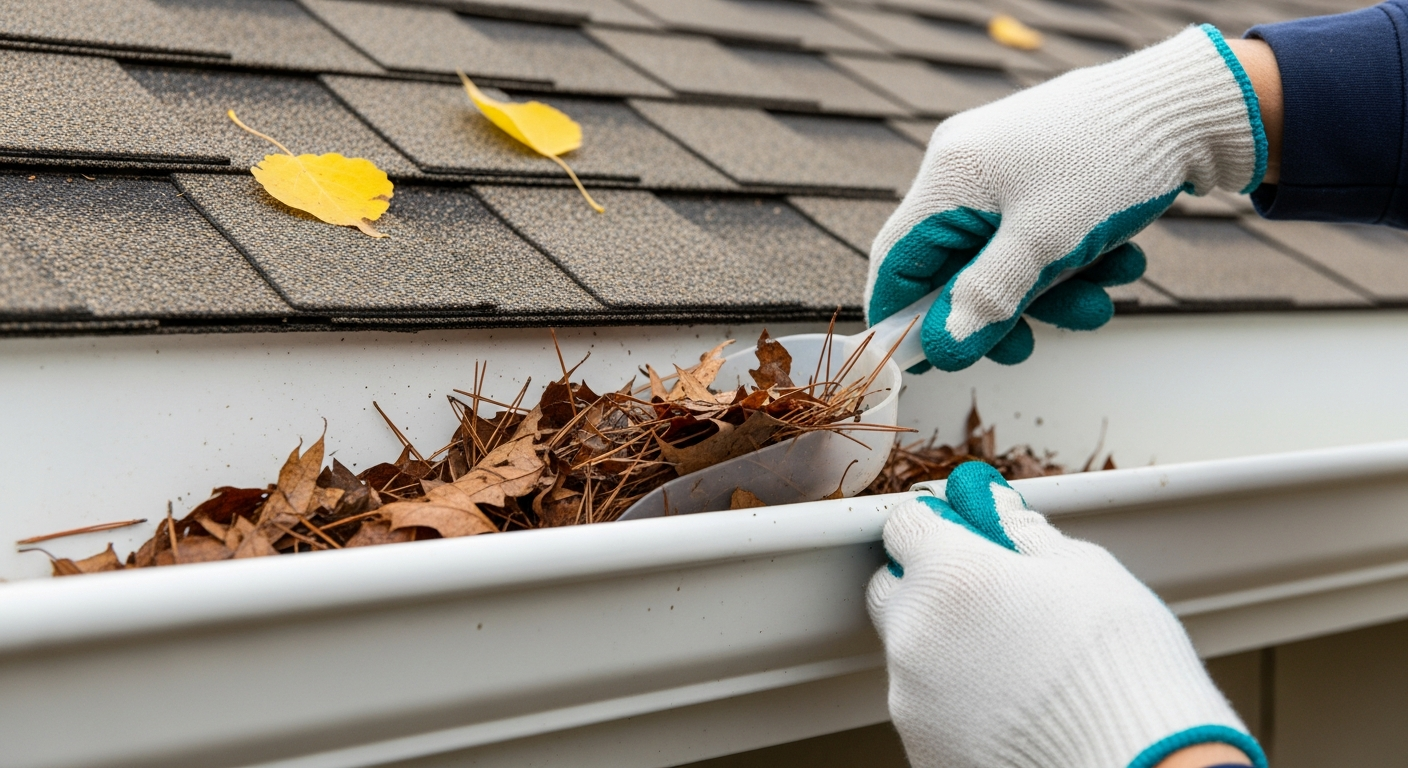
- Schedule the spring gutter cleaning for late March or early April after the cottonwood drop is finished.
- Begin scheduling exterior paint estimates for May and June work. Calendar fills early in painting season.
- Order any hail-prep items including patio furniture covers and skylight covers if used.
April
Mid-April is the practical hail-preparation deadline. The first significant Front Range hail event historically arrives between April 20 and May 10.
- Complete a full roof inspection. Document existing condition with photos for insurance baseline.
- Clean gutters and confirm downspout extensions are intact and discharging at least ten feet from foundation.
- Inspect and replace any pipe boots showing UV cracking at the rubber collar.
- Inspect caulk at all window heads, sills, and door perimeters. Recaulk anything cracked or pulling away.
- Touch up exterior paint on south and west elevations where film is checked or chalking.
May and June
Peak exterior work season for paint and exterior carpentry. Hail risk is also peak. Schedule major work outside of forecast severe weather windows.
- Repaint exterior elevations on schedule. Avoid painting when overnight temperatures will fall below 50 degrees.
- Replace or repair fascia, soffit, and trim before painting. Substrate repair before paint, never after.
- Inspect roof after each significant hail or wind event. Photograph conditions even if no visible damage.
- Check sprinkler heads to ensure spray does not contact siding or stucco. Repeated wetting accelerates substrate damage.
July and August
Monsoon season produces concentrated rainfall events that test drainage capacity. UV exposure peaks. Substantial paint and roof work continues.
- Inspect attic for moisture during and after monsoon storms. Document any new staining at penetrations.
- Check ground saturation patterns after major storms. Persistent wet zones at the foundation indicate drainage problems.
- Avoid scheduling exterior paint work on days with afternoon storms in the forecast. Paint applied within four hours of rain typically fails.
- Inspect deck stain or sealer condition. Reseal in late August or early September while temperatures are still appropriate.
September and October
Hail season tapers in mid-September. Fall leaf drop begins. Schedule winterization work before the first hard freeze, which on the Front Range typically arrives in mid-October.
- Schedule the fall gutter cleaning after the majority of leaf drop, typically late October to early November.
- Drain and disconnect exterior hose bibs before the first sustained freeze.
- Inspect chimney and flue, schedule sweep if not done in the prior twelve months.
- Inspect roof for any storm damage that occurred during the season. File any insurance claims before the carrier's typical one-year deadline from the date of loss.
November and December
Winter inspection and planning season. Major exterior work is generally not feasible but planning, financing, and scheduling for the next year is.
- Confirm attic insulation is at R-49 minimum, R-60 preferred for new work. Add insulation if depth is below code minimum.
- Verify smoke and CO detector batteries and replace as needed.
- Plan and budget for the upcoming year's maintenance. Schedule spring inspection for March or April.
- Document the home's current condition with exterior photos. These become the baseline for the next year's hail and storm claims.
Multi-year intervals to track
Some maintenance items run on multi-year cycles. Track these on a separate list because they fall outside the annual rhythm.
- Exterior repaint: 8 to 12 years for premium acrylic on most substrates, 12 to 18 years for elastomeric on stucco.
- Pipe boot replacement: every 10 to 12 years on a south or west exposure at altitude.
- Roof inspection by a credentialed contractor: annually after age 10, semi-annually after age 18.
- Caulk full replacement at major joints: every 7 to 10 years on south and west exposures.
- Driveway and walkway sealing: every 3 to 5 years for asphalt, every 4 to 6 years for concrete in freeze-thaw zones.
- Deck stain or seal: every 2 to 4 years depending on exposure and product.
What to do, month by month, on a Colorado home
Built around Front Range weather: spring thaw, summer hail, fall paint window, winter ventilation. Adjust by elevation; foothill properties run roughly two weeks behind.
Attic ventilation check
Look for frost on rafters, check soffit/ridge airflow
Ice dam audit
After any heavy snow event, photograph eaves and gutters
Post-winter roof walk
Granule loss in gutters, lifted shingles, sealant cracks
Gutter clean and tighten
Clear debris, reseat hangers, verify downspout extensions
Caulking and trim paint touch-up
Window/door perimeters, fascia, exposed end-grain
Hail-readiness inventory
Photo-document current roof condition before peak season
Exterior painting window opens
Optimal Colorado paint conditions; book early for August
Mid-season hail damage scan
After any storm with 1″+ hail, inspect roof and AC fins
Pre-winter drainage prep
Clean gutters again, test downspouts with a hose
Final paint window closes
Stop exterior painting once nights drop below 50°F
Roof flashing and chimney check
Storm collars, step flashing, kickout flashing at wall lines
Insurance policy review
Confirm RCV vs ACV, deductible, Class 4 discount eligibility